


By Evie Reyna | Licensed Esthetician, Skin & Wellness Educator, and Founder of Halo Skin Solutions
Every fall, something interesting happens to our skin. We spend the summer complaining about the heat, humidity, and that sticky feeling on our faces. Then, almost overnight, the air turns crisp, the humidity drops, and suddenly we're missing all that moisture.
Our skin misses it, too.
As the seasons change, you might notice that your skin doesn't look quite as plump. Fine lines appear more noticeable. Your makeup isn't sitting as smoothly, and your lips, hands, neck, and eye area start feeling a little tighter or drier.
You might even look in the mirror and think, Wait, what happened?
After more than 20 years working as an esthetician, I can tell you that seasonal skin changes are incredibly common. But they don't necessarily mean you need an entirely new skincare routine or a collection of expensive products.
Sometimes, you simply need to change how you're using what you already own.
My favorite approach to fall hydration is something called skin flooding, a strategic way of layering lightweight hydrators to replenish moisture before sealing it in.
Think dewy, not greasy.
Let's talk about how to keep your skin comfortable, hydrated, and healthy as the weather changes.
Why Does Your Skin Feel Drier in the Fall?
During the summer months, there's often an abundance of moisture in the atmosphere. While we might not love feeling sweaty or sticky, humid air can help support hydration in the outermost layers of our skin.
When temperatures drop and the air becomes drier, that environmental support begins to disappear.
Our skin's outermost layer, the epidermis, is constantly interacting with its surroundings. Lower humidity, cooler temperatures, wind, and indoor heating can all contribute to increased moisture loss.
The first places you might notice these changes are your lips, the delicate skin around your eyes, your hands, and your neck.
These areas can be especially vulnerable because of differences in skin thickness, oil production, and environmental exposure.
You might notice:
- Fine lines appearing more pronounced
- Skin looking dull, tired, or less plump
- Tightness after cleansing
- Flaky patches around the nose or cheeks
- Dry lips, hands, elbows, or knees
- Makeup settling into areas that previously looked smooth
Before you reach for the richest cream you can find, it's helpful to understand what your skin is actually missing.
Dry Skin vs. Dehydrated Skin: What's the Difference?
This is one of the first things I explain to clients.
Dry skin is generally a skin type associated with lower natural oil production. It may need additional lipids, emollients, and protective moisturizers to maintain comfort.
Dehydrated skin is a condition in which the skin's outer layers lack sufficient water. It can happen to any skin type, including oily and acne-prone skin.
And yes, you can have oily skin that is also dehydrated.
Your skin naturally produces sebum, or oil, but it doesn't manufacture water in the same way. Maintaining hydration depends on several factors, including your skin barrier, natural moisturizing factors, your environment, and the products you use.
Drinking adequate water is important for your overall health, but if you're already properly hydrated, simply drinking more water isn't necessarily going to resolve dry, flaky skin.
That's where topical skincare comes in.
My Favorite Fall Hydration Technique: Skin Flooding
If there's one technique I'd love more people to understand this fall, it's skin flooding.
Skin flooding is the process of strategically layering hydrating products, generally moving from thinner, water-based formulas to richer products that help retain moisture.
And no, it doesn't mean applying every product in your bathroom cabinet!
Think about how you make your bed when the weather gets colder.
You start with your sheets. Then you add a lightweight blanket, maybe a warmer thermal layer, and finally your comforter.
Each layer has a purpose.
Your skincare can work in a similar way.
We're not immediately reaching for heavy creams and balms. We're building hydration first, then adding a protective layer to help reduce moisture loss.
How to Skin Flood at Home
Here's a simple approach I recommend:
1. Start with clean skin. Use a gentle cleanser that leaves your skin feeling comfortable rather than tight or stripped.
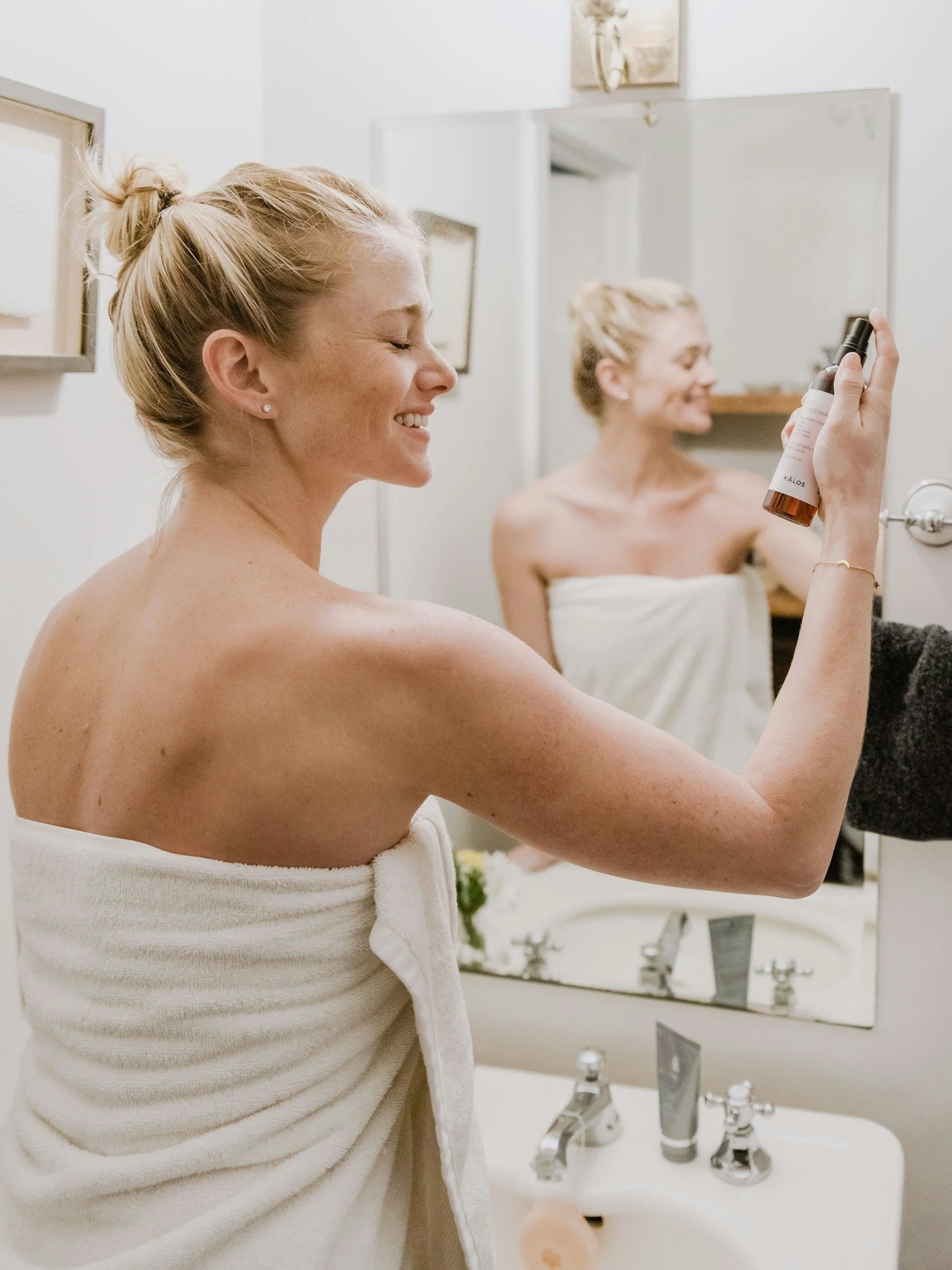
2. Mist your skin. Apply a hydrating facial mist or water-based toner to introduce lightweight hydration.
3. Layer a humectant serum. Look for ingredients like hyaluronic acid, glycerin, or aloe to help attract and retain water.
4. Add a milky toner or lightweight hydrating lotion. This can introduce additional moisture-supporting ingredients and emollients.
5. Seal with moisturizer. Finish with a cream or lotion appropriate for your skin type to help reduce water loss. During the day, follow with broad-spectrum sunscreen.
You don't need five different products to make this work. Even one hydrating serum followed by a well-formulated moisturizer can be beneficial.
The goal isn't to make your skin feel coated.
The goal is to make it feel comfortable, supple, and supported.
I like to describe this approach in three simple steps:
Soak it. Layer it. Seal it.
And remember, layering works best when products are compatible with your skin. More layers aren't automatically better.
The Best Hydrating Ingredients to Look for This Fall
One of the most useful things you can learn as a skincare consumer is how to recognize a humectant.
A humectant is an ingredient that attracts and binds water, helping support hydration in the outer layers of the skin.
Some of my favorites include:
- Hyaluronic acid: A widely used humectant that helps the skin retain water and appear smoother and more hydrated.
- Sodium hyaluronate: A form of hyaluronic acid commonly found in hydrating serums and toners.
- Glycerin: An effective, versatile humectant that helps maintain skin hydration.
- Aloe vera: Often included in formulas designed to hydrate and soothe the skin.
- Urea: A component of the skin's natural moisturizing system that can help attract water and soften roughness.
Hyaluronic acid is especially popular because it's generally well tolerated and can be incorporated into many different formulations.
You may also see products containing multiple molecular weights of hyaluronic acid. These are designed to provide different hydration effects, primarily within the skin's surface and upper layers. How deeply they penetrate depends on the formulation.
Humectants can draw water from their surroundings, including the atmosphere when conditions are favorable. But when the air is particularly dry, pairing them with a moisturizer is important to help limit water loss.
That's why I encourage people to think beyond a single hero ingredient.
A good hydration routine includes ingredients that attract water, soften and replenish the skin, and help protect its barrier.
A Few Products I Personally Reach For
At Halo Skin Solutions, I love working with products that can be layered strategically.
Our Daily Active Smoothing Toner contains hydrating ingredients such as sodium hyaluronate and aloe, alongside exfoliating ingredients. Because it's an active toner, I consider the client's skin condition and tolerance before incorporating it.
I also love hydrating rosewater toners and facial mists containing hyaluronic acid.
In my own routine, I frequently layer several mists, a hydrating serum, and a moisturizer. At night, I may finish with a nourishing balm or overnight mask.
The key is understanding what each product contributes rather than simply applying more for the sake of more.
A Real Client Story: When Moisturizer Changed Everything
One of my longtime clients had struggled with breakouts since her teenage years.
Like many people who have experienced acne, she developed a strong association between moisturizer and clogged pores.
Now in her 40s, she was still approaching her skin the same way she had in her 20s.
She was using exfoliating products, drying treatments, and pimple patches to manage recurring breakouts around her nose and cheeks.
But she was also developing noticeable dry patches.
Those patches were difficult to conceal with makeup, and the repeated irritation created concerns about lingering discoloration and post-inflammatory hyperpigmentation.
During one appointment, I asked a very simple question.
What moisturizer are you using?
She wasn't using one.
After years of worrying about breakouts, she had essentially eliminated moisturizing from her routine.
We discussed introducing a lightweight moisturizer and being more thoughtful about how she used her targeted acne treatments.
At her six-week follow-up, she couldn't wait to tell me what happened.
Game changer.
Her skin looked more comfortable, and she reported that her breakouts were improving.
Now, I wouldn't suggest that dehydration itself was necessarily causing her acne. Acne is complex, and excess oil production isn't simply the skin trying to replace missing water.
But aggressive treatments and inadequate moisturizing can contribute to barrier disruption, irritation, and a cycle of uncomfortable skin.
For this particular client, introducing moisturizer made a meaningful difference.
What struck me most wasn't just the improvement in her skin.
It was realizing that she was still caring for her skin based on what she believed it needed 20 years earlier.
Your skin changes. Your skincare should change with it.
Sometimes the best solution isn't another treatment product. It's addressing the basic needs that have been overlooked.
Fall Is Peel Season, but That Doesn't Mean More Is Better
As soon as summer ends, you'll start hearing estheticians and med spas talking about peel season.
And yes, fall and winter can be excellent times to explore professional resurfacing treatments.
Many people have reduced their exfoliation during the summer, when sun exposure is often greater and certain treatments require additional precautions.
But here's something I want everyone to understand:
Peel season is not permission to over-exfoliate.
I frequently see people combining an exfoliating cleanser, exfoliating toner, active serum, and even a moisturizer containing exfoliating acids.
Individually, these products might be appropriate.
Together, they may be too much.
Excessive exfoliation can disrupt the skin barrier, increasing irritation and moisture loss. For people prone to eczema or sensitivity, this can be especially uncomfortable.
And suddenly, the routine that was supposed to create smoother, more radiant skin is leaving you with redness, tightness, and flaking.
Dehydration and frustration!
Professional exfoliation should be selected according to your skin's condition, treatment history, and goals—not simply because the calendar says October.
And sunscreen remains important throughout the year, regardless of the season.
My recommendation is to work with an experienced esthetician who can help determine how much exfoliation your skin actually needs and how to support its barrier afterward.
Stop Buying More Skincare Before You Check Your Skincare Graveyard
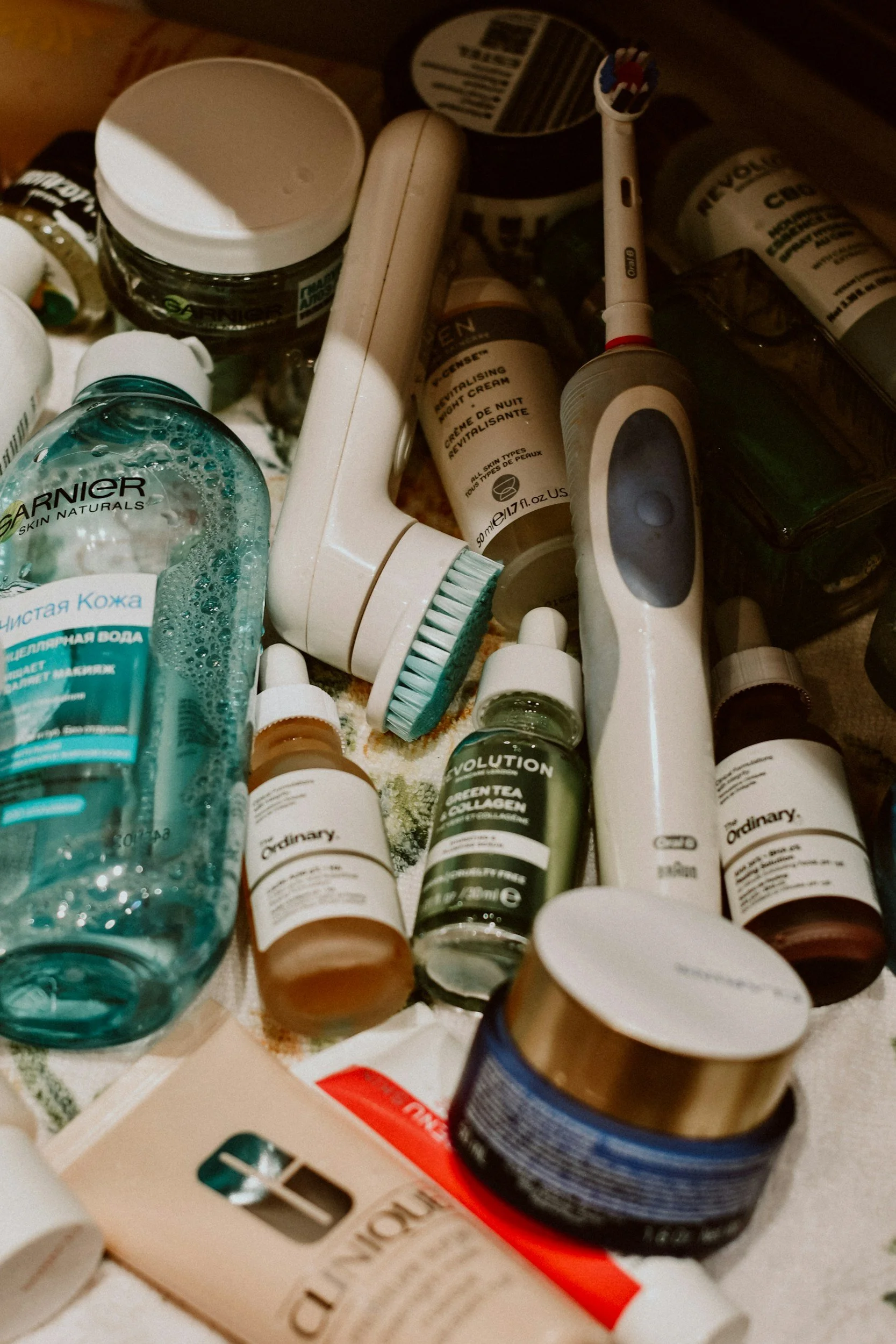
We all have one.
That drawer, basket, or bathroom cabinet filled with products we purchased because someone on social media told us they were amazing.
The serum that promised glowing skin.
The cream that was supposed to smooth everything.
The toner that everyone suddenly needed.
And I'm not judging. I get excited about products, too!
But here's the problem.
An advertisement can tell you what a product is designed to do. It can't tell you whether your skin actually needs it.
Before you buy something new, take a look at what you already own.
You may have a perfectly good hydrating serum that didn't feel appropriate during the summer but could work beautifully in the fall.
Or perhaps you've been using the right products in the wrong order.
Always check expiration dates, storage conditions, and whether a previously opened product is still safe to use before bringing it back into your routine.
If you're unsure, bring your products to a skincare consultation.
An experienced professional can help you understand what you own, what you need, and what you can skip.
My philosophy is simple:
Strategy over consumption.
Don't Forget Your Body: Fall Hydration Goes Beyond Your Face
Our faces tend to get most of the attention, but seasonal dryness affects the rest of our bodies, too.
Think about your hands, elbows, knees, feet, and lips.
These areas are frequently exposed to friction, washing, environmental changes, or differences in natural oil production.
During the cooler months, I like to incorporate richer body products, especially in areas that tend to become dry.
Some of my favorite ingredients and textures include shea butter, avocado oil, jojoba oil, grapeseed oil, body butters, and nourishing creams.
I often apply a lightweight gel-based body hydrator first, then layer a richer body butter over areas that need extra protection.
I also love incorporating products like Modern Skynn Alchemy, Sapphire Balm, and Goddess Oil into my personal care rituals.
A little body oil can add softness and slip to a moisturizer, although it's important to choose formulas that agree with your skin.
Small Habits That Make a Difference
You don't need an elaborate body-care routine to support your skin during fall and winter.
A few helpful habits include:
- Taking shorter, lukewarm showers instead of long, hot ones
- Applying body lotion or cream while skin is still slightly damp
- Using lip balm regularly, especially before going outdoors
- Wearing gloves and protective clothing in cold, windy weather
- Using a properly maintained humidifier when indoor air becomes excessively dry
- Applying richer creams to hands, feet, knees, and elbows as needed
- Choosing gentle exfoliation rather than aggressively scrubbing dry or irritated skin
- Drinking adequate water to support your overall health
I also enjoy occasional hand masks, body treatments, and overnight masks when my skin needs extra attention.
And don't forget your hair! Cooler weather and indoor heating can contribute to dry-feeling hair, too. I recently slept with a conditioning hair mask because I wanted to give my ends a little extra care.
These little rituals don't have to be complicated.
They're simply ways of responding to what your body needs.
What Does My Personal Fall Hydration Routine Look Like?
I practice what I teach, but I also adjust my routine depending on how my skin feels.
Some mornings, I layer several hydrating mists, an eye serum, an eye cream, and a facial serum before applying moisturizer and sunscreen.
At night, I might add a nourishing balm or an overnight mask.
For my body, I focus on areas that naturally need more attention rather than applying every product everywhere.
I may use a lightweight body serum followed by a richer butter on my hands, elbows, knees, or feet.
And throughout the day, if my skin starts feeling tight, I pay attention.
Sometimes that means reapplying an appropriate moisturizer or adding a little extra care to my hands or lips.
What I've learned over two decades in this industry is that caring for your skin doesn't have to be rigid.
Your environment changes. Your hormones change. Your stress levels change. Your skin changes.
Your routine should be able to adapt.
Three Things I Want You to Do for Your Skin This Fall
If you're feeling overwhelmed by skincare advice, here's where I'd start.
1. Look at What You Already Own
Before purchasing another serum or moisturizer, review your current products.
Are you missing a hydration step? Are you using too many active ingredients? Do you have something you could use differently?
Sometimes the answer is already in your bathroom cabinet.
2. Add One Intentional Hydration Habit
You don't need to overhaul your entire routine.
Maybe you add a hydrating serum before moisturizer.
Maybe you start applying body cream after your shower.
Maybe you finally begin moisturizing your neck and hands consistently.
Choose one small habit that fits naturally into your day.
3. Get Professional Guidance When You Need It
If your skin feels persistently dry, irritated, or unpredictable, consider scheduling a consultation with an experienced esthetician.
Find someone whose philosophy aligns with your goals and who is interested in understanding your skin rather than simply selling you more products.
For persistent rashes, significant irritation, or suspected eczema, a dermatologist can help evaluate and treat the underlying condition.
At Halo Skin Solutions, my goal is to help clients integrate skin health, wellness, and beauty into their lives in a way that feels manageable and sustainable.
Because your skincare should support your lifestyle, not overwhelm it.
Healthy Skin Is a Lifelong Relationship
After more than 20 years in the beauty and wellness industry, there's one thing I know for certain.
We're always going to find something about our skin or bodies that we'd like to improve.
Maybe today it's dehydration.
Next season it might be texture, sensitivity, or changes in firmness.
But caring for your skin isn't about chasing perfection.
It's about building a relationship with the body you're living in.
And that relationship lasts a lifetime.
It's not a single facial, one miracle serum, or an overnight transformation.
It's the small things you do consistently.
The extra minute you spend applying moisturizer.
The decision to protect your skin before heading outside.
The willingness to reassess a routine that no longer serves you.
The moment you realize that you deserve the time it takes to care for yourself.
You don't need a perfect routine.
You need one that works for you, one that you understand, and one that you're willing to maintain.
Start small. Stack your habits. Give your skin time.
Clarity. Consistency. Care.
That's how we build healthy skin for life.
And if you're not sure where to begin, I'd love to help.
At Halo Skin Solutions in Randolph, New Jersey, we take a personalized approach to skincare that combines professional expertise, thoughtful treatments, and restorative care.
Whether you're ready for a facial or simply need guidance organizing the products you already own, we're here to help you feel confident in your skin.
Because beautiful skin isn't just about how you look.
It's about how you care for yourself, from the inside out.
Explore our facial experiences or schedule your next visit at [Halo Skin Solutions](https://www.yourskinsage.com/schedule).